Association of Food and Drug Officials

Association of Food and Drug Officials

Many perspectives, one voice, since 1896.

Basic Inspections and Investigations Course for New Manufactured Food and Retail Regulators, and Industry Professionals

Start May 10, 2027

End May 14, 2027

Virtual / Live

About

The Basic Inspections and Investigations Course (BIAI) provides basic and fundamental learning opportunities for new food regulators and industry professionals who have responsibilities for performing routine, non-routine inspections, and complaint investigations. This course also covers and trains in conducting investigations and collecting product samples for analysis by a laboratory (when applicable). This 100% virtual but hands-on training will benefit those who have already taken ORA LearnED web-based training courses or internal trainings and include lives activities and exercises in a virtual setting. Topics will include a review of the basics of conducting an inspection including equipment and tools, conducting the opening, and closing interviews, observation skills, and preparing a defensible report. A brief overview of investigations and sampling techniques is covered.

View the agenda here.

Objectives

  1. Compare conducting routine and non-routine food inspection
  2. Develop skills to use inspection tools and equipment effectively
  3. Build opening and closing interview skills with operators
  4. Improve observation and documentation writing skills
  5. Utilize skills to prepare clear, defensible inspection reports
  6. Develop foundational knowledge of investigations and sampling techniques
  7. Apply skills through hands-on activities and live exercises

Who Should Attend

Manufactured food inspectors, retail food inspectors, and industry professionals with less than six months of experience.  

Location

Travel

Course Length

5 Days

Seat Limit

18 spots available
CDPH/AFDO Continuing Education Contact Hours — 20 Hours Food Protection

Who You Will Learn From

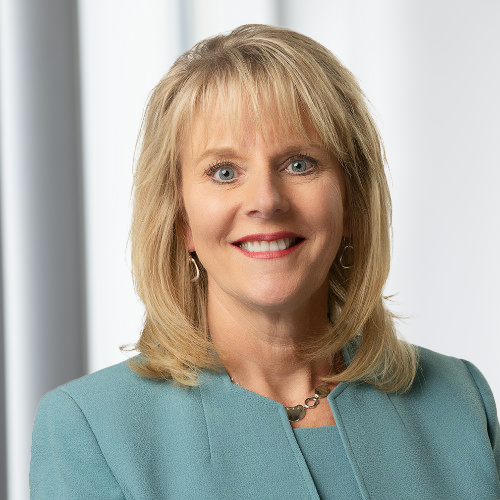
Brenda Morris
Brenda Morris
AFDO
Brenda Morris is the Produce Safety Director at the Association of Food and Drug Officials supporting food regulatory produce safety programs and developing and leading training in produce safety, retail and manufactured food safety, leadership, and instructor skills training. She has more than 10 years food inspection experience in three states, and more than 10 years as Bureau Chief and Assistant Director for retail and manufactured food programs at the Florida Department of Agriculture and Consumer Services. Brenda served as the AFDOSS President and AFDO Vice President.
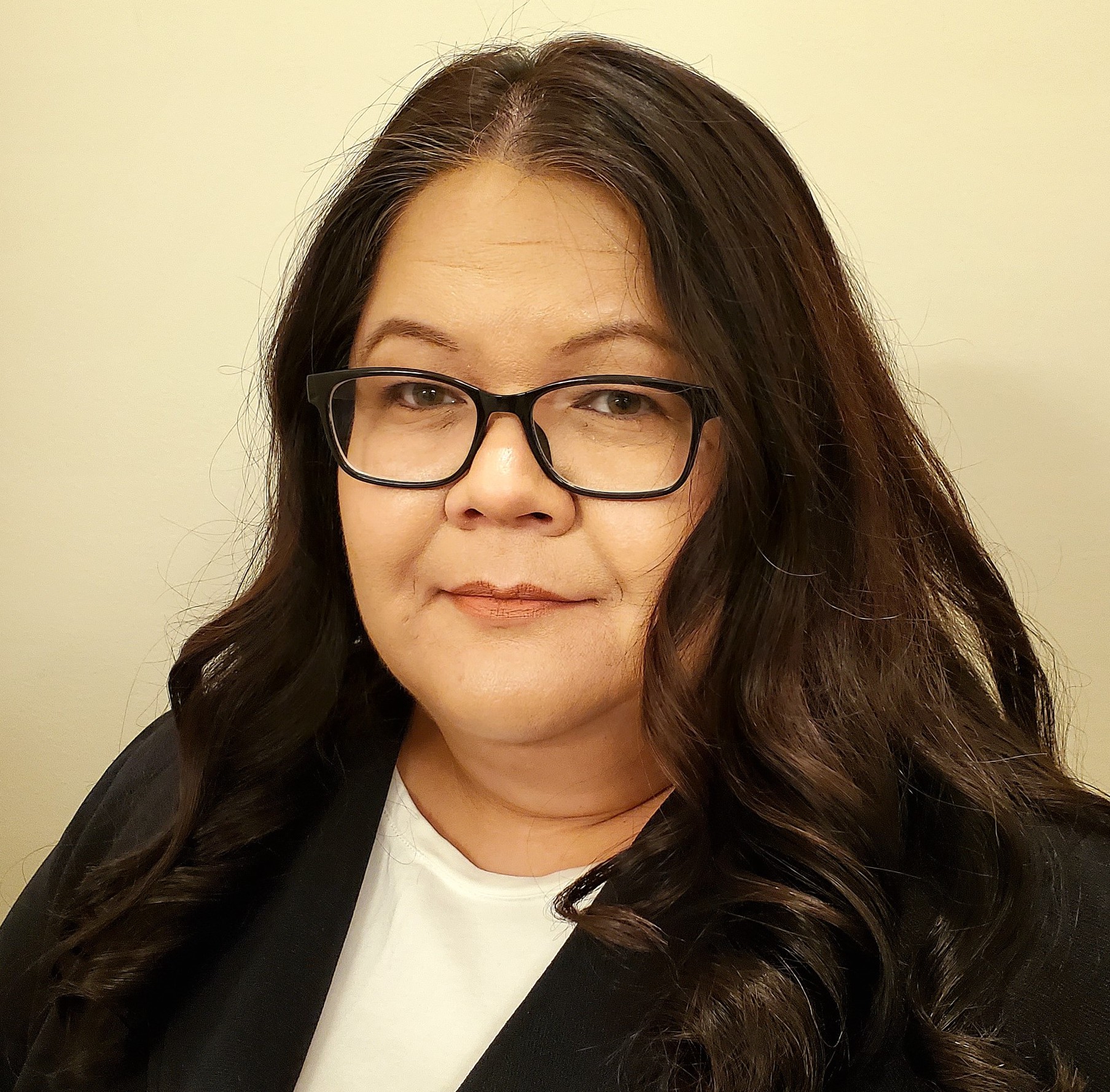
Steve Moris
Steve Moris
AFDO
Steve Moris is an Assistant Program Director at the Association of Food and Drug Officials. With more than 20 years of experience in food safety regulatory oversight and 15 years of leadership in retail food management, he brings a comprehensive understanding of both the practical and compliance aspects of food protection. His background includes interpreting and applying state and federal food safety regulations, conducting inspections, and ensuring industry compliance with public health standards.
Sally Flowers
Sally Flowers
AFDO
Sally Flowers brings over 20 years of experience in government, industry, and academic labs, specializing in food safety and livestock vaccine quality control. She managed both commercial and state agricultural labs, supervising diverse testing areas such as food, dairy, meat, feed, fertilizer, pesticide, industrial hemp, and metrology. Flowers holds a Bachelor’s degree in animal science from the University of Florida, a Master’s degree in animal science from Penn State, a Doctorate in food science from Penn State, and a Bachelor’s degree in clinical laboratory science from the University of Nebraska.

Got membership questions? Learn more at afdo.org/join!

Got questions? Contact Brenda Morris at afdo@afdo.org

Join the newsletter to stay informed about the latest food and medical products related news from AFDO

AFDO

The Association of Food and Drug Officials (AFDO) is a regulatory organization that connects food and medical-products safety stakeholders and impacts the regulatory environment by shaping sound, science-based rules, law, regulations, and sharing best practices that protect public health.